Harrow Council Rules for Bulky Waste and Removals Duty: What Residents and Landlords Need to Know
If you are trying to get rid of a sofa, mattress, wardrobe, old white goods, or the after-effects of a moving day, the rules around Harrow Council rules for bulky waste and removals duty can save you time, money, and a fair bit of hassle. The tricky part is that bulky waste is not always treated like ordinary rubbish, and removals duty can mean different things depending on whether you are a homeowner, tenant, landlord, or someone helping a relative clear a property.
This guide breaks it down in plain English. You will find out how bulky waste is usually handled, where council collection fits in, when a private removal service makes more sense, and how to stay on the right side of local expectations without overpaying or getting stuck with a pile of furniture in the hallway. To be fair, that last bit happens more often than people admit.
Why Harrow Council rules for bulky waste and removals duty Matters
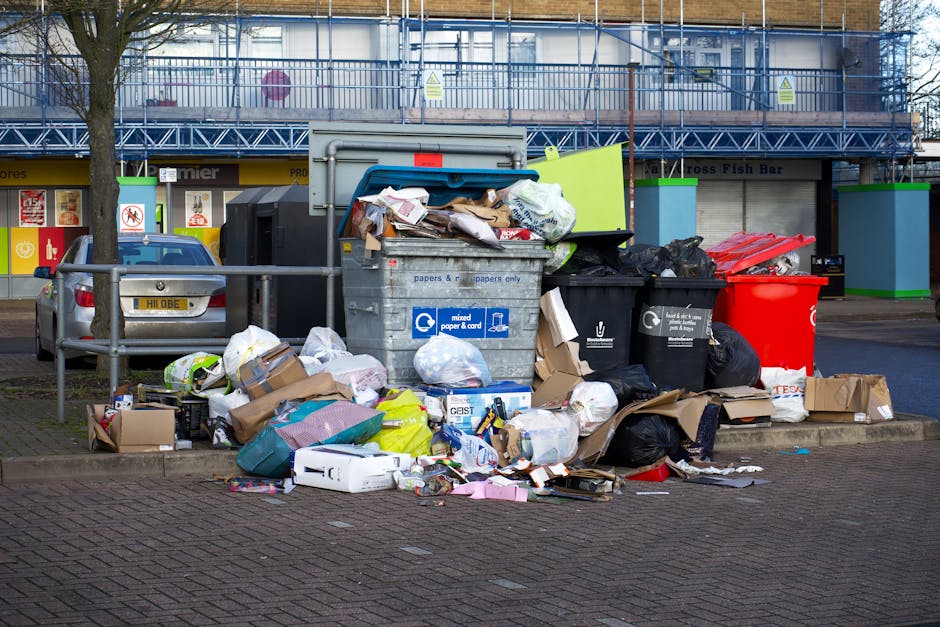
Bulky waste rules matter because they affect what you can legally leave out, who should collect it, and what happens if items are dumped incorrectly. A mattress left next to a bin area may look harmless enough on a wet Tuesday morning, but councils, landlords, and waste contractors see it differently. Bulky items can block access, create fire risk, attract vermin, or simply become fly-tipping if left without proper arrangement.
In Harrow, the practical question is usually simple: should this go through the council, a charity collection, a licensed private remover, or a man-and-van clearance? That decision matters because the wrong route can lead to delays, rejected collection slots, or avoidable charges. It can also create problems for landlords and managing agents, who often have a clear duty to keep shared areas safe and clear.
There is also a planning angle. If you are moving house, clearing a flat, or handling a bereavement, bulky waste decisions are rarely isolated. They sit alongside packing, access, parking, lift bookings, recycling, and the timing of a move. A good man with van service or a more structured removal service can be the difference between a clean handover and a last-minute scramble. And nobody needs the latter at 7 a.m. with a fridge in the front garden.
How Harrow Council rules for bulky waste and removals duty Works
At a high level, bulky waste covers items that are too large for standard household bins. Typical examples include sofas, armchairs, beds, wardrobes, tables, carpet rolls, exercise equipment, and similar household items. In many cases, local councils provide a bulky collection service for residents, but the exact booking process, item limits, and eligibility rules can change over time. So the safest approach is always to check the current council guidance before you book anything.
The removals duty side of the topic is a bit broader. It is about who is responsible for removing waste or unwanted items from a property, especially when a tenancy ends, a home is sold, or a property is being cleared for refurbishment. In everyday terms, the duty often falls to the person who created the waste, the tenant vacating the space, or the landlord/agent where the property contract or handover requires a clear and safe condition.
That is where people get caught out. A council collection may be available, but it may not cover every item, every access issue, or every time frame. For example, if you have mixed bulky rubbish, dismantled furniture, and leftover packing materials after a move, a single council booking may not be enough. In that situation, a private clearance or one of the local moving and clearance teams can be much more practical.
Also, bulky waste is not the same as hazardous waste. Items containing refrigerants, chemicals, paint, or other specialist materials can need separate handling. If in doubt, treat the item carefully and avoid assuming it can simply be left with general bulky waste. A little caution saves a lot of back-and-forth later.
Key Benefits and Practical Advantages
Following the right process gives you more than compliance. It makes the whole clean-up smoother.
- Less risk of rejected collections: items are more likely to be accepted when you understand what the council can and cannot take.
- Cleaner property handovers: this matters for tenants, landlords, estate agents, and family members managing an empty home.
- Safer access routes: bulky items can block stairs, hallways, and shared entrances if left in the wrong place.
- Better recycling outcomes: some items can be reused, broken down, or diverted from landfill where suitable channels are used.
- Reduced stress during moves: moving day is already noisy and crowded enough without a sofa still waiting to go.
There is also a financial benefit. Sometimes council collection is the most affordable option, but not always. If you need multiple items removed, fast turnaround, or help carrying items from an upper floor, a private provider can work out better value once you include your own time, access problems, and the risk of missing a deadline. That is why many people compare council options with a pricing and quotes page before making a decision.
One underrated advantage is peace of mind. If you know items are being removed properly, you can focus on the rest of the move or clean-up. That calm, practical feeling is worth a lot when you are juggling keys, boxes, and a tape gun that keeps disappearing under paperwork.
Who This Is For and When It Makes Sense
This topic is relevant to a lot of people, not just those doing a full house clearance.
- Homeowners clearing out old furniture before a renovation or sale.
- Tenants who need to leave a property in a tidy condition at the end of a tenancy.
- Landlords and agents dealing with abandoned items, left-behind furniture, or end-of-tenancy clearances.
- Families handling bereavement clearances where sensitivity and speed both matter.
- Small businesses removing office furniture, archive shelving, or old equipment from commercial premises.
- Anyone moving within Harrow who wants to avoid transporting junk from one address to the next. Happens all the time, unfortunately.
It makes sense to use a council route when you have a small number of eligible bulky items, enough time to book, and straightforward access. It makes more sense to use private removal support when you have several items, awkward stairs, a tight move-out deadline, or a mix of household and moving waste. For larger home jobs, services such as house removals or home moves can combine transport and removal neatly.
Commercial users should be especially careful. Office furniture, filing cabinets, and desks often need a different level of planning than domestic waste. A business may also need faster turnaround and a clear audit trail, which is why options like commercial moves and office removals are often a better fit.
Step-by-Step Guidance
If you want the simplest route through Harrow Council rules for bulky waste and removals duty, follow this sequence.
- Identify each item. Separate bulky household items from general rubbish, recycling, and anything potentially hazardous.
- Check the current collection route. Confirm whether the council accepts the item type, how many items can be booked, and what access rules apply.
- Decide whether council collection is enough. If you have a single sofa or one mattress, council collection may be fine. If you have stairs, multiple rooms of furniture, or a narrow time window, you may need a private solution.
- Measure access. Note door widths, stair turns, lift size, parking restrictions, and whether the item needs dismantling.
- Prepare the item safely. Remove loose contents, bag small fixings, and wrap sharp edges if needed.
- Book or arrange collection. Use the route that best fits your timing and item type.
- Keep records. Save confirmations, photos, and any proof of collection or handover, especially for tenancy or landlord purposes.
A simple example: if a tenant is leaving a flat in Harrow on Friday, but the council collection cannot happen until next week, the safer move may be a private clearance on Thursday. That avoids a breach of tenancy conditions and avoids the awkward "who's sofa is this in the communal hall?" conversation with neighbours. Not fun.
Expert Tips for Better Results
After dealing with enough removals and clearances, a few patterns become obvious.
- Group items by type. Keep furniture, bagged waste, and recycling separate so nothing gets mixed by accident.
- Think about labour, not just transport. Carrying a wardrobe down two flights of stairs is a different job from loading a ground-floor item.
- Take photos before collection. This is especially useful for landlords, agents, or anyone needing evidence of what was left.
- Allow more time than you think. Busy roads, parking pressure, and lift delays can all eat into a tidy schedule.
- Ask about recycling and reuse. Some furniture may be suitable for reuse or material recovery, depending on condition.
If you are coordinating a bigger move, it can help to pair disposal with packing support. A service like packing and unpacking services can reduce the number of half-full bags and forgotten bits that usually surface at the last moment. You know the ones - chargers, remote controls, and that one chair leg you swear was in the kitchen.
For heavier or awkward items, use the right vehicle. A moving van or removal van can be much more suitable than trying to improvise with a car boot and two old blankets. It sounds obvious, but it still gets attempted more than you would think.
Common Mistakes to Avoid
Most problems with bulky waste and removals duty come from rushing or guessing.
- Leaving items outside without approval. That can be treated as fly-tipping or unlawful dumping.
- Assuming every item qualifies. Councils often have limits on type, size, or quantity.
- Forgetting access issues. A collection can fail if the item cannot be moved safely from the property.
- Mixing waste streams. Putting reusable items, rubbish, and specialist waste together creates avoidable confusion.
- Leaving it too late. End-of-tenancy deadlines and move-out handovers come around fast.
- Not checking responsibility. If you are a landlord, agent, or tenant, know exactly who is meant to remove what.
A lot of frustration comes from one simple misunderstanding: council collection is not the same as "anything and everything collection". It sounds petty, but the details matter. If you have doubts, speak to a licensed mover or removal company rather than risking a failed booking. A reliable removal company will usually give clearer guidance on load size, access, and timing than a guess ever will.
Tools, Resources and Recommendations
You do not need a complicated toolkit, but a few basics make the process smoother.
- Tape measure: essential for checking whether bulky items will fit through doors, stair turns, or lifts.
- Marker pen and labels: useful for marking what stays, what goes, and what needs dismantling.
- Heavy-duty bags and boxes: for screws, fittings, and small loose parts.
- Moving blankets or wraps: help protect walls, flooring, and the item itself during removal.
- Phone camera: a simple record of condition and collection status.
For service planning, the most useful resources on this website are often the pages that help you compare route, risk, and budget. Start with removals, then compare with man and van removals if your job is smaller or more flexible. If you need extra reassurance about standards and handling, the site's insurance and safety information is also worth a look.
If sustainability matters to you - and honestly, it should - the page on recycling and sustainability can help frame the choice between reuse, recycling, and disposal. That part is often overlooked, but it really shouldn't be.
Law, Compliance, Standards, or Best Practice
This is one of those topics where careful wording matters. Council collection rules, tenancy obligations, and waste handling expectations can vary, and local policies change. So the safest stance is to treat Harrow Council guidance as the first point of reference for council-specific limits, while following broader UK waste principles around proper disposal and avoiding fly-tipping.
In plain terms, best practice usually means:
- do not abandon bulky items on pavements or communal land without permission;
- use a lawful collection route for unwanted furniture and large household items;
- keep shared areas clear and safe during removal;
- make sure any private contractor is suitable for the work;
- retain evidence of collection where you may need to prove compliance.
If you are managing a tenancy, it is sensible to define removals responsibility in advance. If you are a tenant, read the handover requirements carefully. If you are a landlord or letting agent, be precise about what constitutes "clear and vacant" because the meaning is often tested at the worst possible moment - usually on move-out day, when everyone is tired and someone has run out of packing tape.
For businesses, internal handling standards matter too. Clear lift access, proper load securing, and safe manual handling are not just nice extras. They protect staff, contractors, and the building itself. A business-facing office relocation services approach can be useful when bulky waste forms part of a wider workplace move.
Options, Methods, or Comparison Table
Choosing the right approach depends on speed, item type, access, and budget. Here is a simple comparison to help you decide.
| Option | Best for | Main advantages | Possible drawbacks |
|---|---|---|---|
| Council bulky waste collection | Single or small number of eligible household items | Simple, familiar, often cost-effective | May have booking limits, item restrictions, or longer lead times |
| Private bulky removal | Multiple items, awkward access, tight deadlines | Flexible, faster, can include lifting and loading | Usually more expensive than a basic council slot |
| Full removal service | House moves with extra waste or clear-out needs | Combines transport, labour, and planning | May be more service than you need for a single item |
| Targeted furniture pick-up | Specific items like sofas, beds, or wardrobes | Good balance of convenience and focus | Not ideal for mixed waste or very large clearances |
If the problem is just one awkward item, targeted help may be enough. If you are clearing a whole room or end-of-tenancy load, a broader service often makes more sense. That is where furniture pick-up can be a practical middle ground, especially when the item is bulky but not part of a full house move.
Case Study or Real-World Example
Here is a very typical Harrow scenario.
A couple is moving out of a first-floor flat. They have a bed frame, a mattress, a small wardrobe, and a broken dining chair. They initially plan to leave everything for the council bulky collection, but then discover the collection slot is not available before their tenancy ends. On top of that, the wardrobe will not fit around the tight stair corner unless it is dismantled.
So they change approach. They separate what can be donated, what can be recycled, and what needs removal. They book a local remover for the awkward items, keep proof of what was collected, and take a few photos of the cleared rooms before handing back the keys. Simple. Not effortless, but much smoother.
What made the difference? Three things:
- they identified the deadline early;
- they checked access before assuming the council option would work;
- they chose a removal method that matched the property, not just the price.
That last point is the big one. The cheapest option is not always the cheapest once you include delays, missed appointments, and the stress of having a mattress leaning against the landing at dusk. You can almost hear it creak.
Practical Checklist
Use this checklist before arranging any bulky waste or removals duty in Harrow.
- Identify every item that needs to go.
- Separate furniture, general waste, recyclable material, and anything hazardous.
- Check current Harrow Council bulky waste rules and booking availability.
- Confirm who is responsible for removal: tenant, landlord, owner, or agent.
- Measure doors, stairs, lifts, and parking access.
- Decide whether a council collection or private removal is the better fit.
- Book enough time before move-out or handover day.
- Take photos before and after removal.
- Keep receipts, booking confirmations, and any collection proof.
- Choose a service that matches the load, timing, and access conditions.
If you are still unsure which route is best, start by looking at man with van removal for smaller, flexible jobs or house removalists when the task is part of a larger domestic move. It is usually easier to make the right call once you see the job in practical terms.
Get a free quote today and see how much you can save.
Conclusion
Harrow Council rules for bulky waste and removals duty are really about one thing: getting unwanted items removed properly, safely, and in a way that fits the situation. If you have a small, straightforward item, council collection may be enough. If you are facing a deadline, awkward access, or a bigger clean-out, a private removal option may be the calmer and more efficient choice.
The best results usually come from a bit of planning: check the item list, measure access, confirm responsibility, and choose the route that suits the property rather than forcing the property to suit the route. Simple, but very effective.
And if the whole thing feels like one more job on an already long list, that is completely normal. Sort the big pieces first, keep the process practical, and give yourself a little breathing room. It makes a difference.
Frequently Asked Questions
What counts as bulky waste in Harrow?
Bulky waste usually means large household items that do not fit in standard bins, such as sofas, beds, mattresses, wardrobes, tables, and similar furniture. Exact eligibility can depend on current council guidance.
Can I leave a sofa outside for collection?
Not unless the item is being collected under an approved arrangement. Leaving bulky items outside without permission can create fly-tipping or obstruction issues, so it is best to arrange a proper collection first.
Is council bulky waste collection always the cheapest option?
Not always. It can be cost-effective for a single item, but once you need multiple items, labour, stairs, or urgent timing, a private removal may give better overall value.
Who is responsible for removing bulky waste at the end of a tenancy?
Responsibility depends on the tenancy terms and the situation, but it is often the outgoing tenant unless the landlord or agent has agreed otherwise. Always check the handover requirements carefully.
What if my item is too heavy to move on my own?
That is a very common problem. If an item needs two people, dismantling, or special handling, a private remover or removal company may be the safer option than trying to shift it yourself.
Can I use a removal service for just one item?
Yes. Many people do that when the item is awkward, access is tight, or the council booking would take too long. A focused service can be surprisingly practical for a single bulky item.
What happens if the council does not accept my item?
You may need a different disposal route, such as a private clearance, targeted furniture pick-up, or a specialist waste arrangement depending on the item type. Do not just leave it out and hope for the best.
Should landlords document bulky waste removal?
Yes, especially if there may be a dispute later. Photos, booking confirmations, and handover notes can be very useful if a property is left with items behind.
How do I prepare furniture for collection?
Remove loose contents, detach small fittings, and dismantle items where practical. Measure access points first so you know whether something needs taking apart before collection day.
Is it better to book removals or a man and van for bulky waste?
It depends on the size of the job. A man and van option can be ideal for smaller, flexible loads, while a fuller removals service works better when several heavy items or multiple rooms are involved.
What should I do if I am moving and clearing waste at the same time?
Plan the move and the clearance together. That way you avoid moving junk from one property to another. For many households, a combined removal approach is more efficient than treating everything as separate jobs.
Do I need proof that bulky waste was collected?
It is a very good idea to keep proof, especially for rental handovers, landlord checks, or property sales. A photo and a receipt or booking confirmation can save a lot of questions later.