Insurance licence checklist for Harrow removal companies
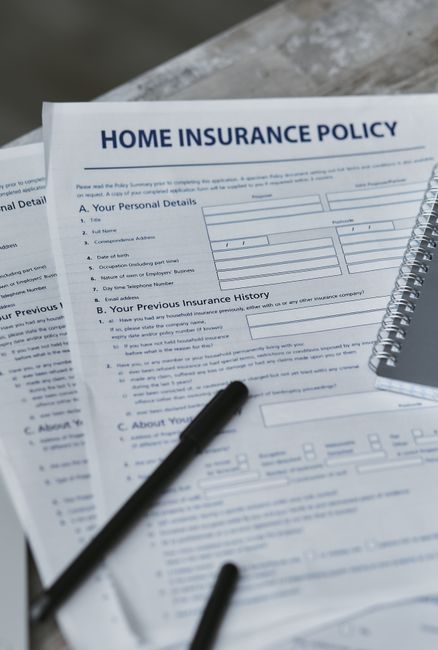
If you are comparing movers, or you run a removal business in Harrow yourself, the paperwork side can feel oddly bigger than the van itself. One minute you are talking about sofas, stairwells and parking on a narrow street; the next you are checking policy wording, licence records and whether a driver is actually covered for the job they are doing. That is exactly why an Insurance licence checklist for Harrow removal companies matters. It helps you separate a properly set-up operator from someone who is simply "hoping for the best".
In this guide, we will walk through what to check, why it matters, how the checks fit together, and what good practice looks like in the real world. If you are hiring a mover, this can save you from awkward surprises. If you are a removal company, it can help you tighten up your own compliance without turning the whole thing into a weekend of admin misery. Let's face it, nobody enjoys paperwork, but a missing policy on moving day is worse.
Why Insurance licence checklist for Harrow removal companies Matters
Removal work is full of small risks that add up fast. A scratched floor, a damaged sideboard, a vehicle incident, a claim from a customer, an injured porter, or a vehicle stopped because the driver documentation is not in order. When everything is going smoothly, insurance can feel boring. When something goes wrong, it becomes the most important part of the day.
For customers in Harrow, trust is often built on visibility. You want to know that the company handling your move has the right cover, the right operating permissions, and the right attitude to care. For the removal company, the same checklist protects cash flow, reputation and day-to-day continuity. One claim that is not properly covered can wipe out the profit from several jobs. Bit brutal, but true.
This is also about professionalism. A proper check tells you whether the business is serious about risk management. That includes vehicle cover, goods-in-transit protection, public liability, employer responsibilities where relevant, and the correct driver and operational licences. If a firm can explain these clearly, without waffling, that is usually a very good sign.
Harrow brings its own practical realities too: busy roads, tight parking, flats with awkward access, and a lot of double-handling of furniture through shared spaces. The more complex the move, the more you want insurance and licence checks to be treated as standard, not optional.
How Insurance licence checklist for Harrow removal companies Works
In plain English, the checklist is a structured way of confirming that a removal company is allowed to operate, and protected if something goes wrong. It is not just one document. It is a set of checks across people, vehicles, cover and business practices.
There are usually three layers to this:
- Business legitimacy - is the company properly established, with clear terms, contact details and trading information?
- Operational permission - are the drivers, vehicles and any required licences in place for the type of work being done?
- Insurance coverage - does the cover actually match the moving job, not just a generic policy that sounds fine at first glance?
That last part is where people often get caught out. A policy might exist, but still not be suitable for carrying clients' goods, handling commercial moves, or using hired vehicles. Similarly, a driver may hold a licence, but if the vehicle or usage class is wrong, the operation can still be exposed. The details matter more than the headline.
If you are hiring a mover, ask for proof before the move date, not on the doorstep while the kettle is boiling and the sofa is blocking the hall. If you are a company, keep your records neat enough that you can answer these questions quickly. This is where a good internal policy such as the site's insurance and safety information and health and safety policy can support trust in a very practical way.
Key Benefits and Practical Advantages
A proper checklist does more than stop mistakes. It makes the whole operation calmer and more reliable. That might sound a little idealistic, but you notice the difference very quickly on moving day.
- Less claim risk - you know which policy responds to which problem.
- Faster problem solving - if a customer asks about cover, the answer is ready.
- Better customer confidence - people feel safer booking a company that can prove its credentials.
- Cleaner handovers - office staff, drivers and subcontractors know what has been checked.
- Stronger quoting - proper insurance and operating costs are factored in, so pricing is more realistic.
There is also a commercial upside. Businesses that keep compliance tidy tend to waste less time fixing avoidable issues. That means fewer late-night emails, fewer awkward calls, and fewer "we thought someone else had checked it" moments. To be fair, that alone is worth the effort.
If you are comparing providers, a reputable removal company should be able to explain what is covered, what is excluded, and what you need to do to support the policy, such as declaring high-value items or fragile goods. That clarity is a benefit in itself.
Who This Is For and When It Makes Sense
This checklist is useful for several groups, and not only for large firms with fleets of lorries. In fact, some of the most valuable checks happen in smaller operations, where one person might be doing sales, driving and admin all at once.
- Customers hiring removals in Harrow who want to check a provider before booking.
- Local removal companies that want a tidy compliance routine.
- Owner-drivers and small van businesses who carry household goods or office items.
- Office relocation teams managing more complex and higher-value jobs.
- Property managers and landlords arranging clearances or move-outs.
It makes sense any time a job involves more than a simple lift-and-shift. If a van is entering a shared car park, carrying furniture up stairs, or handling delicate items like monitors, glass tables, or archive boxes, the exposure rises. The same applies where parking is tight and the route from vehicle to front door is long. That extra distance sounds small until you are moving a wardrobe in the rain.
If you are looking beyond the basics, pages such as removals and man and van can help you compare service styles, while commercial moves is useful for business relocations with different risk profiles.
Step-by-Step Guidance
If you want a sensible working method, use this sequence. It is straightforward, but it prevents most of the common headaches.
- Confirm the business identity. Check the company name, contact details, trading terms and whether the website or paperwork looks consistent. A real operation should not feel vague.
- Ask what insurance is held. At minimum, understand whether the company has vehicle cover, goods-in-transit protection and public liability cover. Where staff are employed, employer-related cover may also be relevant.
- Check the licence side. Make sure the driver and vehicle are correctly authorised for the work. The exact requirements vary by vehicle type and operating setup, so do not assume.
- Match the cover to the job. A home move, office relocation or furniture collection can have different risks. High-value items or fragile goods need special mention if the policy asks for it.
- Read the exclusions. This is the bit people skip. Do not. Exclusions often decide what happens after a claim.
- Request evidence in writing. A policy schedule, confirmation email, or certificate is better than a verbal "yes, we're covered".
- Keep a record. Save copies before move day. That makes follow-up easy if anything changes.
For many customers, that is enough to make an informed choice. For businesses, you would add vehicle checks, renewal reminders and a named person responsible for compliance. Not glamorous, but useful. Very useful.
Expert Tips for Better Results
In our experience, the best removal companies treat insurance and licensing as operational tools, not box-ticking exercises. That changes how they work day to day. A few things make a big difference.
- Use one standard checklist for every booking. Consistency beats memory every time.
- Keep policy summaries in plain English. Your team should know what the cover actually means.
- Review jobs for unusual risk before quoting. Narrow staircases, heavy items and complex access often mean extra precautions.
- Document customer declarations. If someone says there is a piano, a marble table or several boxes of electronics, write it down.
- Check subcontractors carefully. If they are touching the job, their cover matters too.
One small but important habit is doing a five-minute pre-move briefing. It sounds simple. It is simple. Yet those five minutes can prevent a lot of confusion when the van arrives and everyone suddenly remembers the lift is out of service. That sort of thing happens more than people admit.
It also helps to keep the customer informed about the company's processes, especially if you point them towards your own terms and conditions and operational guidance. Clear expectations tend to reduce disputes later.
Common Mistakes to Avoid
This is where many removals businesses, and a few customers, trip up. The mistakes are usually not dramatic. They are small assumptions that snowball.
- Assuming any insurance is enough. Generic cover may not protect moving work.
- Not checking what is excluded. A policy can look solid and still miss the very thing you need.
- Ignoring the vehicle setup. The right cover on the wrong vehicle, or the wrong usage, is still a problem.
- Failing to update details. Changes in vehicle, staff or work type should be reflected in the paperwork.
- Waiting until move day. That is far too late to discover a gap.
- Overlooking customer responsibility. Items packed badly by the owner, or valuables left undeclared, can complicate claims.
Another classic mistake is getting stuck on the word "licence" and assuming it means only one document. It usually does not. There can be business registrations, driver entitlements, vehicle requirements, operating permissions and insurance conditions all sitting in the same basket. Slightly annoying, yes. Also unavoidable.
Tools, Resources and Recommendations
You do not need fancy software to stay organised, though some businesses like it. A tidy spreadsheet, a shared folder and a repeatable checklist can be enough for smaller operators. The point is not the tool itself. It is whether the tool helps you answer questions quickly and accurately.
Useful items to keep on hand include:
- a current insurance summary for each vehicle;
- copies of driver licence checks and renewal dates;
- details of what items are excluded from standard cover;
- a list of high-risk move types, such as offices with IT equipment;
- a customer declaration form for fragile, bulky or high-value goods;
- a simple incident log, even if it is just a dated notes file.
From a service perspective, it is also useful to compare related pages on the site so you understand the business offer around the compliance side. For example, removal services, man with van and movers help you see how different move types might need different checks. If you are doing more specialist work, office removals and packing and unpacking services are useful adjacent pages to consider.
Law, Compliance, Standards, and Best Practice
Because this topic touches regulation and risk, it is worth being careful. Requirements can depend on the nature of the business, the vehicles used, the drivers involved and the goods carried. So the safest approach is to treat this article as a practical guide, not a substitute for proper legal or insurance advice.
In the UK, removal businesses are generally expected to keep vehicles legal for the road, ensure drivers are appropriately licensed for the vehicle and activity, and hold insurance that genuinely matches the work. That sounds obvious, but in practice the details vary. For example, moving a client's furniture is not the same as driving a private van to pick up a sofa from a friend. The risk profile is different, and insurers know it.
Best practice also means having:
- clear written terms for what the company will and will not cover;
- incident reporting for damage, near misses and complaints;
- staff awareness so drivers know how to handle claims-sensitive situations;
- security-minded payment handling where deposits or balances are taken;
- fair customer communication if a job is delayed, rerouted or interrupted.
The site's payment and security page and privacy policy are also worth reviewing if you are assessing how a provider handles customer information and transactions. That is not just a legal comfort blanket. It is part of overall trust.
And if you are a business owner, it is sensible to align your compliance process with your own about us messaging, so the way you present yourself matches the way you actually operate. People notice when those two things are out of step.
Options, Methods, and Comparison Table
Not every removal business needs the same level of formal process. A small man-and-van operator will usually work differently from a larger team handling office relocation or multi-property moves. The goal is the same, though: reduce risk and prove you have done the basics properly.
| Approach | Best for | Strengths | Watch-outs |
|---|---|---|---|
| Simple manual checklist | Small local operators and occasional jobs | Cheap, quick, easy to understand | Depends on discipline; easy to forget renewals |
| Shared digital folder plus checklist | Growing businesses with several staff | Better record keeping and accessibility | Needs someone to keep it updated |
| Formal compliance workflow | Busy removal companies and commercial movers | Strong audit trail, fewer gaps, easier delegation | Takes time to set up properly |
For most Harrow removal companies, the right answer sits somewhere between the first and second row. You do not need a corporate labyrinth. You do need something more reliable than "I'll remember later". Later usually arrives wearing boots and carrying a wardrobe.
Case Study or Real-World Example
Here is a realistic example from everyday moving work. A small Harrow-based team is asked to handle a family home move from a maisonette to a new house across town. The job looks straightforward at first: a few bedrooms, some boxes, a dining table, and a van for the day.
Then the details come out. There is a narrow staircase, parking is limited, and the customer wants a large TV, two monitors and a glass cabinet moved without repacking them. On top of that, the move is happening on a wet morning in early autumn, when the pavement is greasy and the entrance mats are already muddy by 8:30am. Not ideal.
The company checks its documents before confirming the booking: vehicle cover, goods-in-transit terms, public liability, and the driver's entitlement for the van used. They also ask the customer to flag fragile items in advance and confirm whether anything especially valuable needs extra handling. Because the checks are done early, the team can quote with confidence, assign the right vehicle, and brief the crew properly.
The result is not magic. No one claps. But the job runs more smoothly, there are fewer misunderstandings, and if something had gone wrong, the paperwork would have been in place. That is what good compliance looks like in real life: quiet, ordinary and effective.
Practical Checklist
Use this before booking a removal company in Harrow or before sending a vehicle out on a job. It is deliberately practical, not theoretical.
- Confirm the company name and trading details.
- Check that the business has relevant vehicle cover for the job type.
- Ask whether goods-in-transit cover is included and what it excludes.
- Check public liability cover for property and third-party injury risk.
- Make sure driver paperwork and vehicle permission are in order.
- Ask how high-value or fragile items are handled.
- Review the company's terms and conditions before accepting the quote.
- Save policy evidence and key contact details before move day.
- Check whether subcontractors are used and, if so, whether they are covered too.
- Confirm the process for reporting damage, delays or complaints.
- For office moves, ask how IT equipment, documents and access control are managed.
- For home moves, confirm stair access, parking and any access restrictions in advance.
Expert summary: the safest removal booking is rarely the cheapest or the flashiest. It is the one where the insurance, licensing and job details all line up before the van is loaded.
If you want to explore more service and trust information around the business, the pages on house removals, house movers, and removals near me can help you compare what is offered and how a provider presents itself.
Conclusion
The simplest way to think about an insurance and licence checklist is this: it turns uncertainty into something you can actually manage. For Harrow removal companies, that means fewer surprises, fewer disputes, and a better chance of getting through the job with everyone calm and covered. For customers, it means knowing you are not relying on luck.
Good removals work is a mix of planning, care and accountability. The paperwork may not be the exciting part, but it is the part that quietly protects the rest. Check it early, keep it updated, and do not be shy about asking direct questions. Clear answers are usually the best sign you can get.
Get a free quote today and see how much you can save.
And if the whole process feels a bit much at first, that is normal. A good checklist makes it simpler, one step at a time, and that is often enough.
Frequently Asked Questions
What should be on an insurance checklist for a removal company in Harrow?
At minimum, you should check vehicle cover, goods-in-transit protection, public liability cover, driver entitlement, and whether any exclusions affect your job. It is also wise to confirm how claims are reported and who is responsible for updating documents.
Do all Harrow removal companies need the same type of insurance?
No. The right cover depends on the vehicle type, the kind of items being moved, whether staff are employed, and whether the company handles domestic or commercial work. A small man-and-van job may need a different setup from a full office relocation.
Why does a licence checklist matter if the company already has insurance?
Because insurance alone does not solve everything. If the driver, vehicle or operation is not properly set up, a claim can become complicated or even fall outside cover. The licence side and the insurance side need to match.
How can I tell if a mover's insurance is genuine?
Ask for written evidence, not just verbal reassurance. A proper provider should be able to show policy details or a summary and explain what is covered in straightforward language. If the answers keep changing, that is a warning sign.
What is the difference between goods-in-transit and public liability cover?
Goods-in-transit cover is typically concerned with items being carried or stored during the move. Public liability cover is about injury or damage to third parties or property. They do different jobs, and both can matter during removals.
Should I check insurance before I pay a deposit?
Yes, ideally. It is much easier to verify cover before money changes hands. That way, if something does not look right, you can ask questions or choose a different company without hassle.
Do office removals need more checks than home removals?
Often, yes. Office work can involve computers, documents, access cards, specialist equipment and tighter scheduling. That usually means more detailed risk checks and clearer communication about who is responsible for what.
What should a small Harrow van operator keep on file?
A small operator should keep current policy details, driver records, vehicle information, customer declarations for fragile or valuable goods, and a simple incident log. Nothing fancy. Just enough to stay organised and respond quickly if needed.
Can I ask a removal company about exclusions in their policy?
Absolutely. In fact, you should. Exclusions are often where the real risk sits. A clear company will not mind explaining them, and they may even appreciate that you are asking the right questions.
What is the most common mistake people make when checking removals cover?
The most common mistake is assuming that any insurance is enough. People see a policy name and stop there. But the details matter: what is covered, what is excluded, who is driving, and what type of work is being done.
How often should a removal company review its checklist?
At least whenever policies renew, vehicles change, staff change, or the business starts handling a new type of work. A quick quarterly review is often sensible, even for small teams. It keeps things from drifting.
Where can I learn more about the company's trust and safety approach?
Review the business's own pages on insurance and safety, health and safety policy, and complaints procedure. Those pages can tell you a lot about how seriously the company takes its responsibilities.